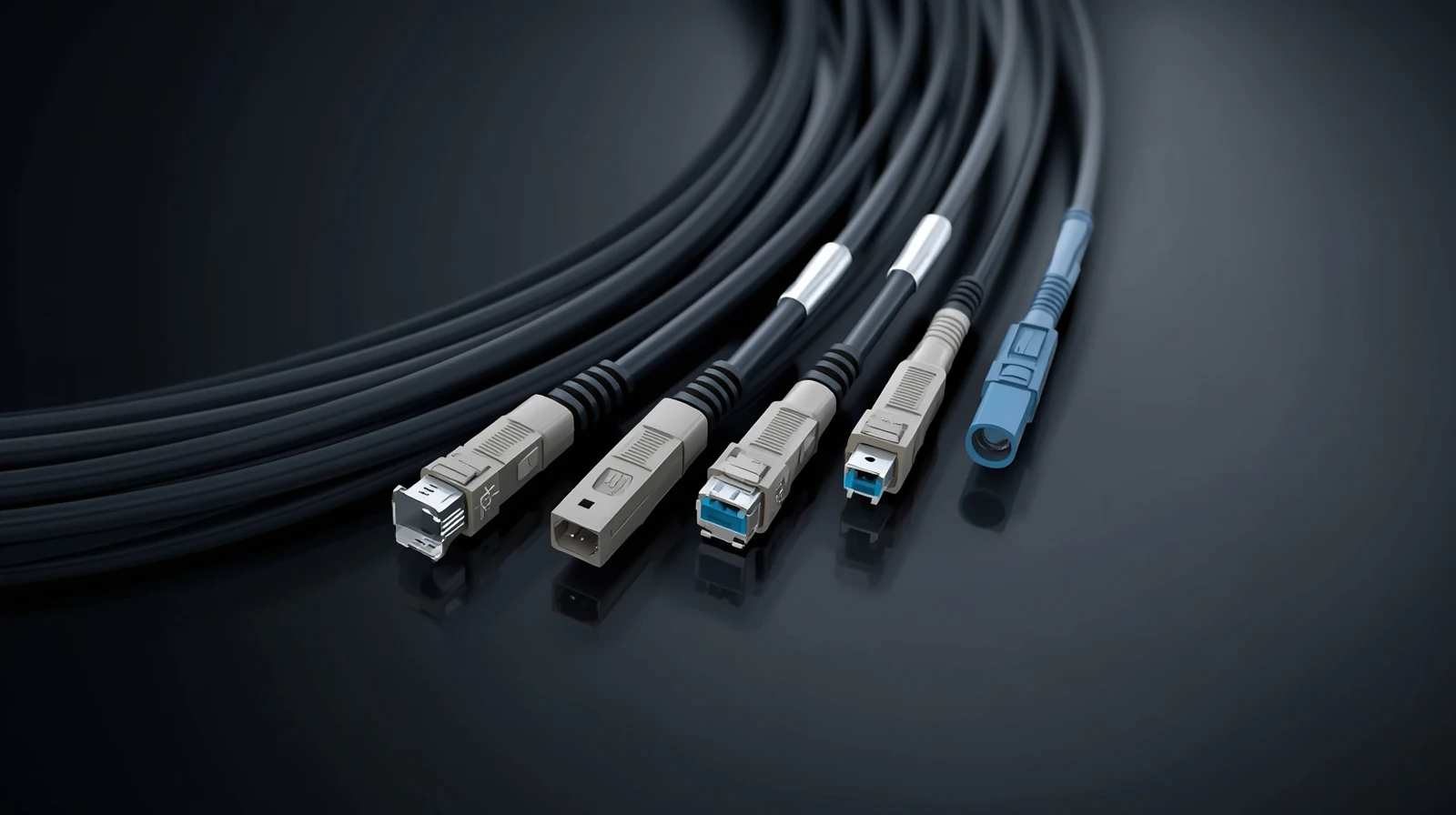
A single mode fiber optic cable is the best choice when you want fast and stable data over long distances. It uses one thin light path to send signals with less loss and more speed, making it stronger than multimode fiber for large networks. In this blog you will learn how it works, why it matters, and how the right cable can make your whole system stronger and safer.
Introduction to Single Mode Fiber Optic Cable, A Reliable Networking Solution
Today almost every device needs a fast and strong internet connection. The world depends on data, and the way that data moves through cables makes a big difference. This is where a single mode fiber optic cable stands out. It is known for long distance strength, clear signals, and dependable performance. Homes, schools, hospitals, and big companies use it because it helps them stay connected without slowdowns or drops in quality.
Fiber optic cables might look thin, but inside them is a powerful design made for moving information with light. Unlike older cables that use electricity, fiber uses light to travel long distances without losing speed. This makes it one of the best ways to keep networks stable, even when the system grows or the distance becomes larger.
This article explains how single mode fiber works, what makes it different from multimode fiber, and why more people are choosing it for their networks. You will learn about the core size, fiber colors, and the benefits of using it in modern setups. The goal is to help you make smart decisions for your network with simple, clear explanations.
Why Choose Heritage Cabling for Your Fiber Optic Needs?
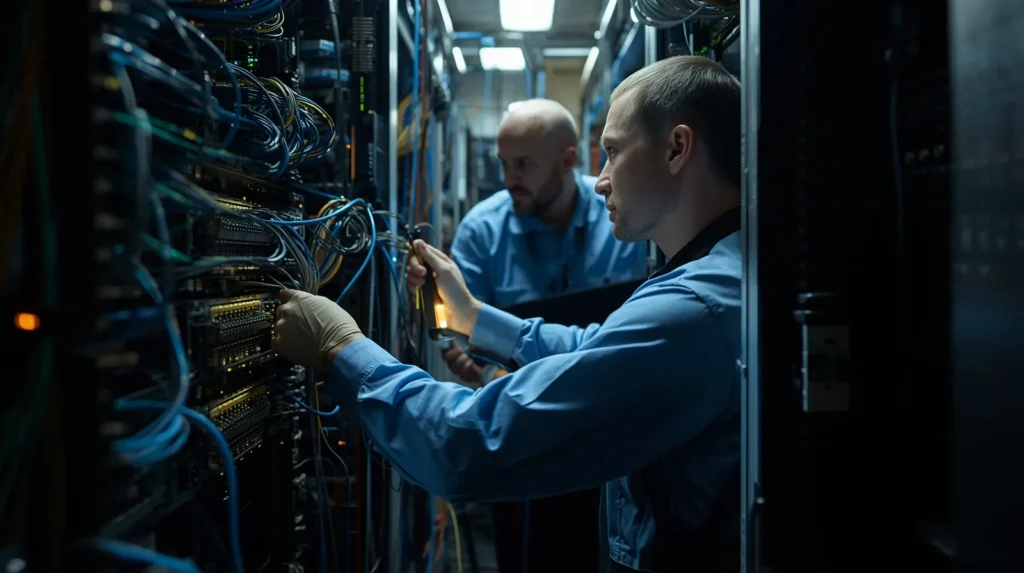
When you install fiber, the skill of the installer matters as much as the cable. A strong system needs careful planning, correct cable selection, and proper connection points. This is where heritage cabling stands out. With real experience and trained technicians, the team knows how to design a network that runs smooth and fast.
Many cables look the same from the outside, but choosing the wrong one can lead to weak signals, short distances, or future repairs. The right team will guide you through all the details so your network becomes stronger and ready for growth. heritage cabling focuses on safe installation, testing the system, and making sure every fiber is set up to perform at its best.
This service matters even more when you have a large space or a system that will grow over time. With professional planning and proper tools, you can avoid errors and enjoy long lasting performance.
What is Single Mode Fiber Optic Cable and How Does It Work?
A single mode fiber optic cable uses a very thin glass core that carries only one light signal at a time. This is why it is called “single mode.” Because it only uses one path, the light does not bounce around inside the cable. This keeps the signal clean and strong as it travels long distances.
Inside the cable, there are three main parts. The core is the very center. The cladding is a protective layer around the core that keeps the light inside. The coating is the outer layer that protects the fiber from bending or damage. The simple design helps the signal move fast and stay steady.
This cable works well for long distances because the narrow path reduces signal loss. That means less need for boosting equipment, fewer interruptions, and higher overall quality. It is used in internet systems, phone systems, business networks, and even some medical and security tools that rely on fast and stable communication.
The Difference Between Single Mode and Multimode Fiber Optic Cables
To understand why single mode fiber is so powerful, it helps to compare it with multimode fiber. Multimode fiber has a larger core and allows many light paths to travel at the same time. This works well for short distances, like inside a small building or a home.
Single mode fiber is different. Its core is narrow, and it carries only one path of light. This makes the signal travel longer without breaking up. It is better for large buildings, big campuses, and long distance links.
Here are simple differences:
- Single mode uses one path of light.
- Multimode uses many paths of light.
- Single mode is best for long distance.
- Multimode is best for short distance.
- Single mode can handle higher speeds and future upgrades.
When networks grow, single mode fiber gives more room for expansion. It supports very high speeds and can stay strong even across many miles.
Single Mode Fiber Core Size, Understanding Its Impact on Performance

The core inside a single mode fiber is very small. The standard size is about 8 to 10 microns. This tiny core is the reason the cable can carry one clean beam of light. When the core is small, the light stays tight and focused, making it travel much farther without weakening.
A multimode core, which is usually 50 or 62.5 microns, allows more light paths. That is why multimode is used for short distances. But if you try to use it for long distances, the signals get mixed and start to lose quality.
The small core in single mode fiber helps with:
- Better speed
- Clearer signal
- Lower loss
- Stronger performance over miles
- Support for future upgrades
This is why companies and data centers often choose single mode fiber when they want a system that can grow with them.
Choosing the Right Single Mode Fiber Optic Cable for Your Network
Choosing the right cable depends on what your network needs today and what it may need tomorrow. The first step is to look at the distance between connection points. If the network spans large spaces, such as a big building or long hallway, single mode is often the best choice.
Next, you need to think about the bandwidth. If your system uses cameras, servers, or heavy data tools, you need a cable that can handle high speeds. Single mode fiber gives you more room for growth without major changes later.
You also need to pay attention to the type of connectors and the equipment your system uses. Some machines work with single mode only, while others can work with both. A trained technician can guide you through the options.
The right choice helps you avoid extra equipment, reduce maintenance, and increase the life of your system. It also helps keep your signal strong even when the network becomes bigger.
Advantages of Single Mode Fiber Over Other Cable Types
Single mode fiber has several advantages that make it a top choice for modern networks. First, it supports long distance connections without signal loss. This makes it great for campuses, office towers, and industrial locations.
Second, the cable supports very high speeds. The narrow core keeps the signal tight and strong, helping it carry more data. This means you can use it for streaming, security cameras, advanced systems, or heavy workloads.
Third, it offers better stability. Even when the environment changes, the cable stays strong and steady. It does not pick up electrical noise like copper cables.
The cable is also future ready. As technology grows and speeds increase, single mode fiber can handle the changes without major upgrades.
These advantages make it a smart investment for systems that need long term strength.
How Single Mode Fiber Colors Affect Cable Identification and Installation
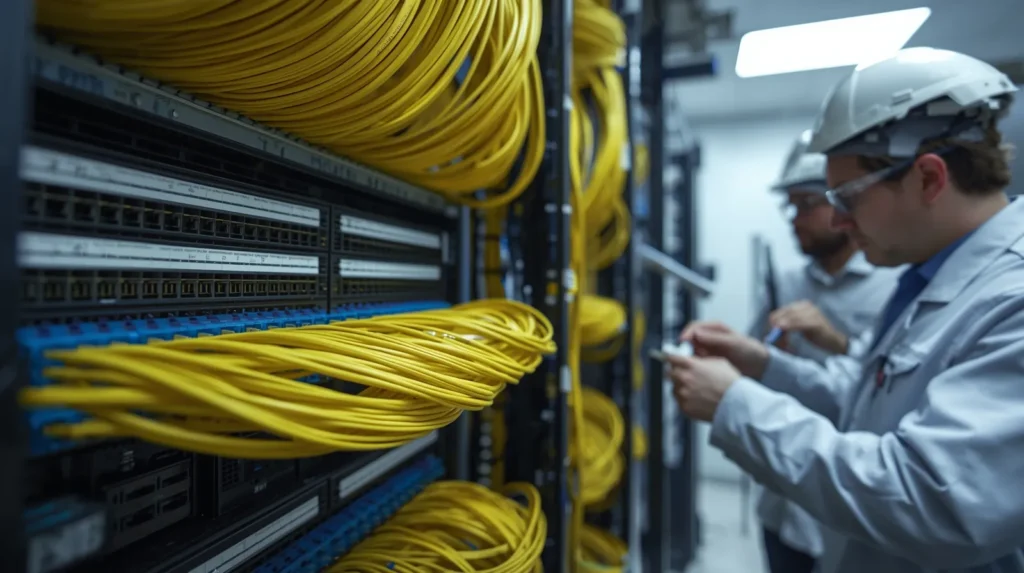
Every fiber cable has a color code that helps installers understand what type of fiber it is. For single mode fiber, the most common color is yellow. This color helps technicians quickly identify it during installation or repairs.
Knowing the color makes installation faster and safer. It reduces mistakes and helps people avoid connecting the wrong type of fiber. When systems have hundreds of cables, color coding becomes even more important.
Single mode fiber colors help with:
- Sorting cables
- Tracking connections
- Avoiding damage
- Speeding up repairs
- Keeping the network clean and organized
Clear identification is a key part of building a strong and reliable network.
Applications of Single Mode Fiber Optic Cables in Modern Networks
Single mode fiber is used in many industries because of its strong performance. Here are some common uses:
- Internet service providers
- Data centers
- Universities
- Hospitals
- Government buildings
- Security systems
- Smart building networks
- Long distance communication lines
These places rely on fast, steady connections. Single mode fiber helps them keep information moving safely and quickly.
In advanced systems, the cable also supports tools like remote sensors, backup links, and cloud services. These uses show how powerful and flexible the cable can be.
Why Single Mode Fiber Optic Cable is the Best Choice for Long Distance Networks
Long distance systems need clarity, speed, and stability. A single mode fiber optic cable delivers all three. Since it only uses one light path, the signal stays strong and travels far without needing extra boosters.
This saves money because you need fewer devices. It also reduces the chances of errors or delays. The cable works well for fast internet, voice systems, and secure data movement.
In places like Dallas, TX where buildings and businesses continue to grow, single mode fiber provides room for expansion. It helps networks stay ready for future upgrades and new technology.
This makes it a reliable and long lasting choice.
Get Expert Fiber Optic Installation with Heritage Cabling in Dallas, TX
Building a strong fiber network takes more than choosing the right cable. You need the right team that understands design, safety, and long term performance. Professional installation reduces problems, protects your equipment, and keeps your system working the way it should.
With proper planning, testing, and support, your network will stay strong for years. The right installation helps your system handle more devices, more data, and more growth without slowing down.
If you want fast, clear, and stable connections that support your future needs, reach out today. A well built fiber system can change the way your home or business runs. Heritage Cabling can guide you, install your fiber, and help you get the strongest performance from your network.