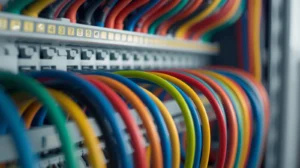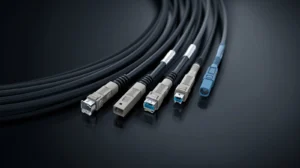
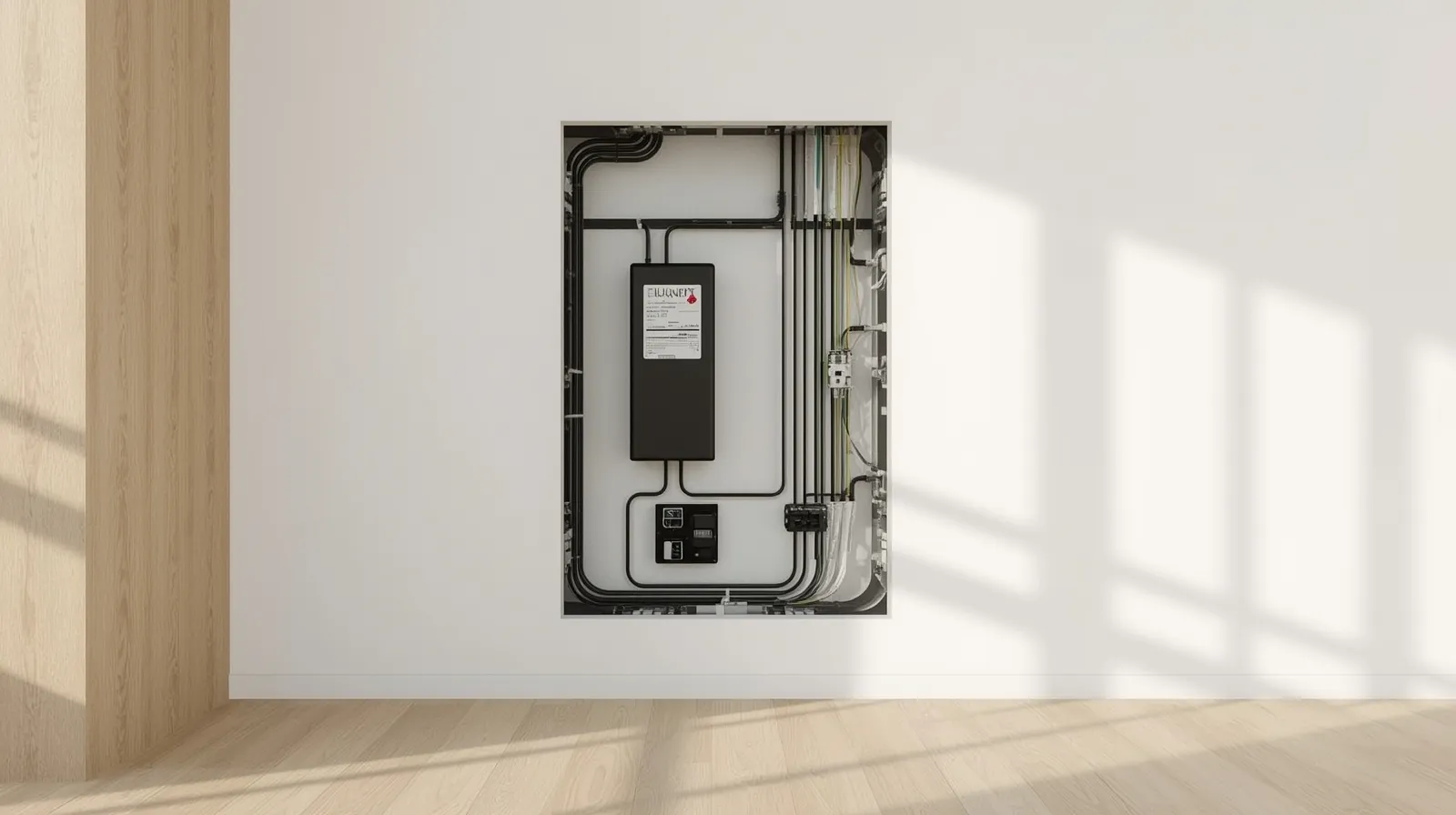
Low voltage wiring is a type of wiring that carries a lower amount of electrical power and is used for things like doorbells, internet lines, security systems, and many smart home features. It is safer to work with, easier to install, and designed to send signals or small amounts of power instead of running full electrical loads.
Many homeowners want to understand low voltage wiring because it supports almost everything inside a modern home that keeps people connected and comfortable. From network cables to low voltage home wiring behind the walls, this system works quietly every day to keep your home running smoothly. This article explains how it works, why it matters, and how to choose the right solutions.
Why Modern Homes Depend on Safe and Smart Wiring Systems
Every home needs wiring that can handle the many devices people use each day. Some wires carry strong electrical power, while others carry low signals that help things talk to each other. As houses add more smart tools and devices, there is a growing need for wiring systems that can work with those tools safely and smoothly. Low voltage wiring helps make this possible. It is a system that moves small amounts of electricity, so it supports things like cameras, internet lines, and doorbells without the risk that comes with high power lines.
Homes today rely on steady Wi Fi, strong connections, and simple setups that last for years. Low voltage systems help create those results. They keep your home ready for upgrades and let new devices work without major changes. It is a smart way to make sure your home stays connected now and in the future.
What Makes Low Voltage Wiring Different From Standard Electrical Lines
Low voltage wiring is not the same as the wiring that powers light switches or large appliances. Standard wiring moves stronger electrical current and needs more safety steps. Low voltage wiring moves a smaller amount of power and is mainly used to carry signals or small loads. This makes it safer to install and easier to manage. It also means you can use smaller wire sizes, which cost less and take up less space in the walls.
You can think of it this way. Standard wiring is like a busy highway with heavy traffic, while low voltage wiring is like a quiet road that helps messages travel from one place to another. Each has a job, and both are important in a modern home. Knowing the difference helps homeowners choose the right type of wiring for what they need.
How Low Voltage Wiring Works Behind the Walls
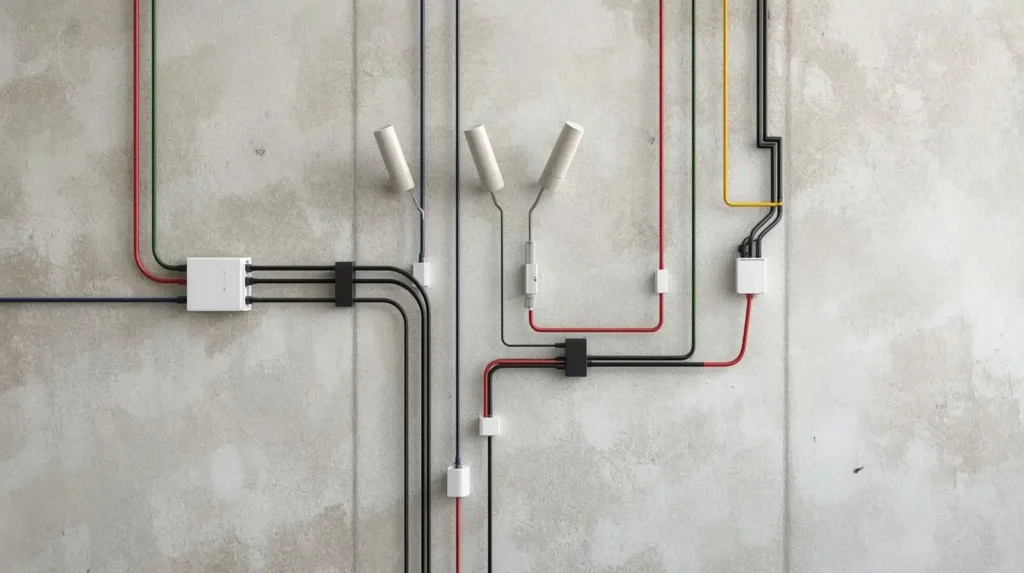
Many people never think about the wires hidden in their walls. Low voltage wiring is a network of small cables that make communication possible. These lines connect security systems, smart devices, cameras, internet routers, doorbells, and more. They help each part talk to another part quickly and clearly.
The system works by sending low power signals. These signals may control how a light turns on, how a camera streams video, or how your home communicates with your phone. Because the voltage is low, the wires do not heat up like regular electrical lines. This keeps the system safe and simple. Behind each wall, these cables run side by side in neat paths to every room where they are needed.
Good planning helps these systems work better. When the wires are placed in the right spots and run in clean paths, the whole home feels more organized. You get smooth Wi Fi, clear camera views, and strong connections.
Common Places You Will Find Low Voltage Home Wiring Today
Low voltage wiring is used in many places around the house. Here are some of the most common areas where these cables play a role:
- Internet and network connections
- Doorbells and smart entry systems
- Thermostats and home control panels
- Security cameras and alarm sensors
- Smart speakers and home audio
- TV systems and entertainment setups
These systems need wiring that can send signals fast and without interruptions. Low voltage lines make this easy. As more families depend on smart home tools, the amount of low voltage wiring inside each room keeps growing. It is one of the quiet helpers that most people forget about, even though it is working every day.
Understanding Low Voltage Wire Sizes and Why They Matter
Wire size plays a big role in how well low voltage systems work. When the wire is the right size, the signal travels cleanly without slowing down. When the wire is too small or too large, the signal may weaken or lose strength. That is why choosing low voltage wire sizes carefully is important.
Wires are measured in gauge numbers. A lower gauge number means a thicker wire. A higher number means a thinner wire. For low voltage systems, you usually find wire sizes that match the needs of doorbells, speakers, or network cables. Each system works best when the wire size matches the length of the run and the load of the device. Good planning helps avoid signal loss and keeps everything working as expected.
Matching the Right Wire Gauge to Your Low Voltage Needs
Choosing the right wire gauge is easier when you think about what you plan to use the wiring for. Short runs may work well with thinner wires, while long runs may need slightly thicker cables to keep the signal strong. Here are a few examples:
- Doorbells often use small gauge lines
- Audio systems may need thicker wiring for sound quality
- Network lines use specific types designed for high speed data
Picking the right gauge is one of the most important steps in low voltage wiring. When the right size wire is used, your devices get clear signals and steady performance.
Choosing Safe In Wall Low Voltage Wire for Clean Installations
If the wiring will be placed inside a wall, it needs to be the right type to stay safe and last a long time. In wall low voltage wire is designed to stay cool and secure, even when used for many years. It has insulation that keeps it safe from heat or damage, and it follows building codes to protect the home.
Clean installations also help your home look and feel organized. When wires run neatly inside the walls, you do not have cables hanging outside or cluttering the room. Good in wall wiring keeps your home setup clean and easy to manage.
When You Need a Low Voltage Electrician for Ethernet or Network Lines
Network lines are an important part of modern living. Almost everything depends on a strong internet connection. A low voltage electrician who understands ethernet wiring can help set up the system the right way. These experts know how to place cables, avoid signal interference, and plan for future upgrades.
Some of the best times to call a low voltage electrician include:
- When you want faster internet across the house
- When you need ethernet in rooms that only have Wi Fi
- When building a new home or remodeling
- When cameras or smart home devices need stronger support
A strong network helps every device run better, and good wiring is the key.
How to Plan Low Voltage Wiring for Future Smart Home Growth

Homes keep changing as people add more smart tools. Planning ahead helps you avoid redoing the wiring later. A good plan might include:
- Extra ethernet ports
- Extra camera lines
- Planning for speaker systems
- Running wires to outdoor areas
- Adding lines for future upgrades
Thinking ahead can save money and time. When the wiring is ready for new devices, you can add things easily without opening walls again. This makes your home flexible and ready for new technologies.
Why Heritage Cabling Is the Trusted Choice for Low Voltage Wiring in Dallas, TX
Many homeowners want wiring that works now and in the future. Heritage Cabling has the experience to guide families toward smart choices and long lasting solutions. They understand how homes work and how low voltage systems support daily life. They also help plan upgrades that keep the home ready for new tools and devices. When a professional takes the time to do the job well, the results last longer and perform better.
Low voltage wiring needs skill, patience, and the right knowledge. The team focuses on clean installations, safe materials, and systems built to last. Families trust them because they explain each step clearly and take care of the home as if it were their own.
Simple Steps to Get Started With a Low Voltage Wiring Upgrade
Getting started is easier than many people think. Most upgrades begin with a simple check of your home’s current wiring. After that, you choose what systems you want to support. A specialist can then plan the path the wires will take and decide which wire sizes and types work best.
A typical start may include:
- A walk through of your home
- A review of your current devices
- A plan for future smart tools
- A clear outline of wire sizes and gauge needs
When the plan is ready, the installation can begin. With help from Heritage Cabling, the whole process feels simple and stress free. They guide you step by step so you always know what to expect.
If you are ready to upgrade your home wiring or want a cleaner, safer, and smarter setup, reach out today. A friendly expert can answer your questions and help you choose the right path for your needs.