Fusion splicing vs mechanical splicing is a common question for anyone working with fiber cables. The simple answer is that fusion splicing creates a stronger and cleaner connection, while mechanical splicing is faster and easier for small jobs. Both have a clear purpose in network work. Fusion gives the lowest signal loss. Mechanical splicing helps when time is short or when only a quick repair is needed.
Fiber splicing matters because your network depends on clean and stable signals. When a cable breaks, the connection must be repaired the right way. This is where knowing the difference between these two splicing methods becomes very important. Each method has its own benefits. In this blog, you will learn how they work, when to use each one, and how experts choose the best option for safe and strong fiber connections.
Introduction to Fiber Splicing for Modern Networks
Fiber networks help homes and businesses stay fast, stable, and ready for both work and everyday use. When a fiber cable gets cut or needs to be joined, you must connect it with a splice. A splice is a simple way to join two fiber ends so the signal can pass through again without problems. The better the splice, the better the network works.
There are two main types of splicing that people use today. Fusion splicing and mechanical splicing. These two methods do the same job in different ways. One uses heat to melt fibers together. The other uses a small tool to hold fibers in place. Both methods have their role. Understanding how they work helps you choose the right one for your project.
Strong fiber work also depends on skill and the right tools. When trained fiber techs follow the correct steps, the network stays stable for years. This builds trust and keeps systems running without downtime.
Why Splicing Method Matters for Network Strength and Speed
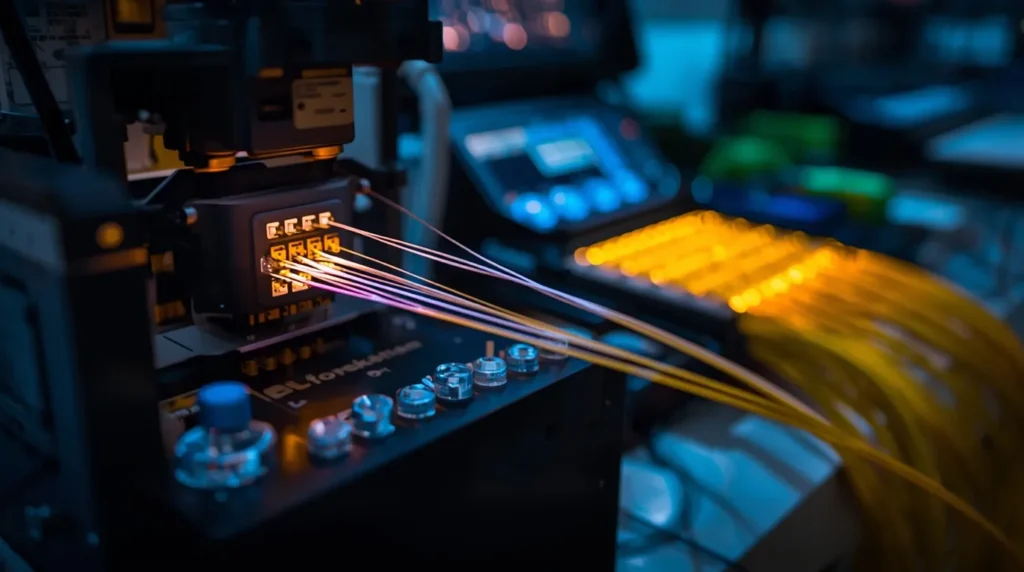
Your network depends on clean signals that move through each fiber strand. If a splice is weak or damaged, the network can slow down. It may even drop connection. This is why choosing the right splice type is so important. Good splicing protects your speed, range, and long term performance.
Fusion splicing gives you a strong and lasting bond. It keeps loss very low and keeps your lines stable. Mechanical splicing is quick to set up and works well for short term fixes or small repairs. Both options help you get your network back online, but one may fit better than the other depending on your situation.
When techs understand these methods well, they make better decisions. This is how skilled teams earn trust and build networks that last.
Understanding What a Fiber Splice Really Is
A fiber splice is a connection point that joins two broken or separate fiber strands together. The goal is simple. Align both ends so the light signal can pass through without losing strength. If the alignment is off, even a little bit, your network will slow down or show errors.
There are two main ways to join the fibers. One is to melt them together. The other is to hold them in place with a small connector. Both of these solve the same problem, but they work in different ways. Fiber splicing is a skill that grows with practice. Techs learn how to cut, clean, and align fibers with care.
Understanding the basics helps you choose the right method for your project and helps you avoid mistakes that can damage the network.
What Is Fusion Splicing and How It Works
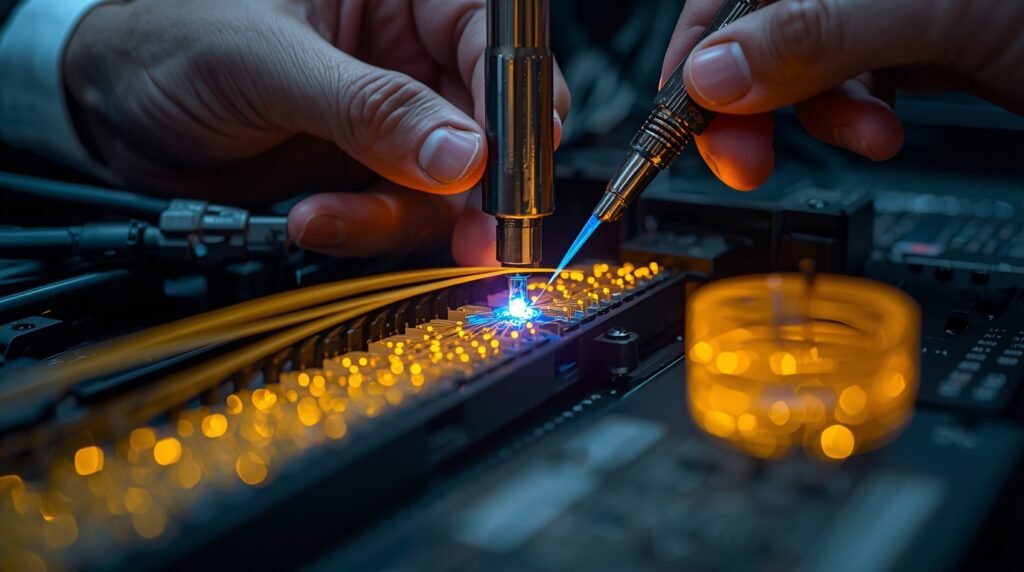
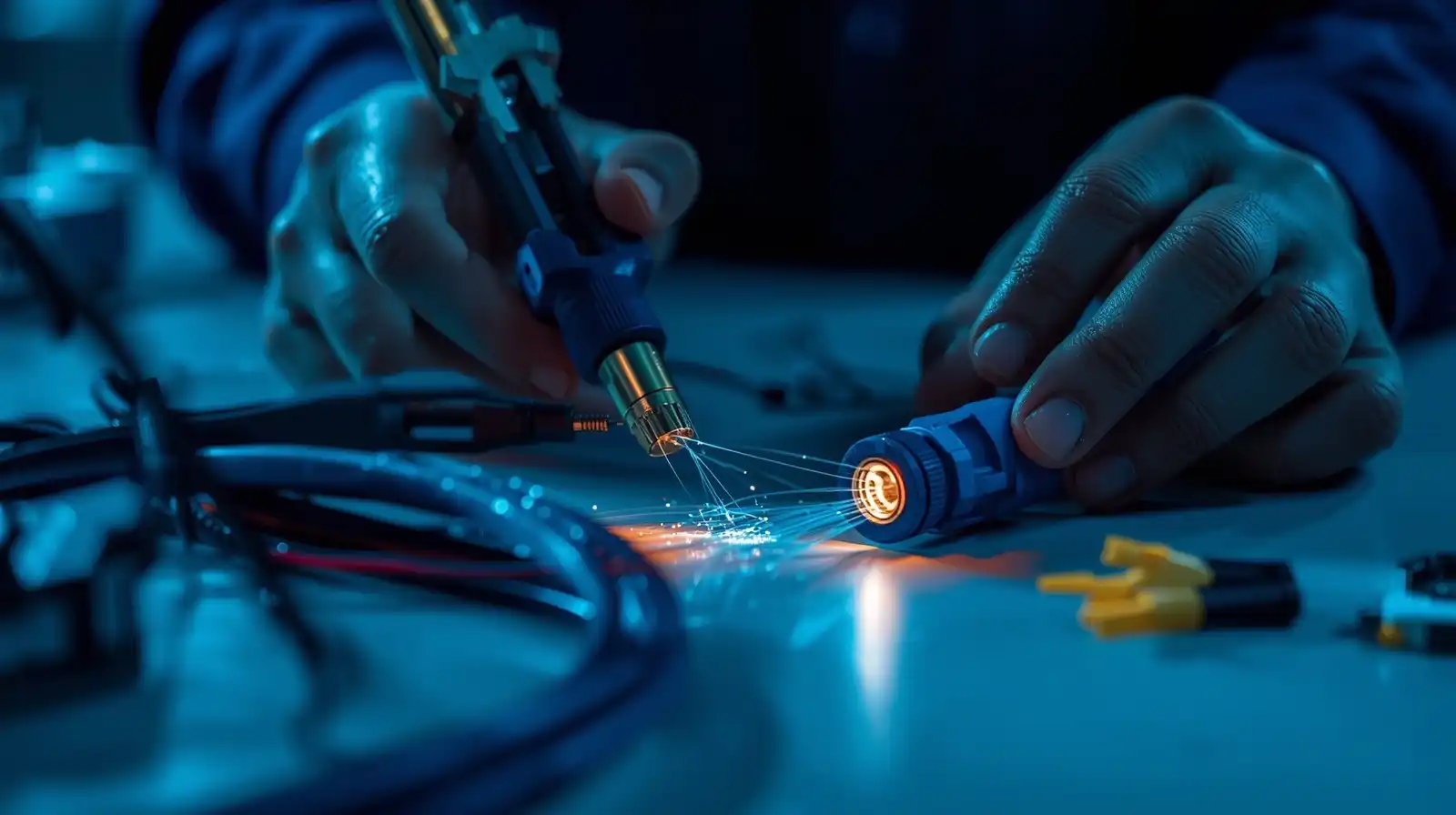
Fusion splicing is a method that melts two fiber ends together. The melt creates a smooth and strong join that feels like one single fiber again. This is why fusion splicing is known for very low signal loss. When the connection is smooth, the light moves through without hitting rough edges.
To use this method, the tech cleans each fiber, trims the ends, and places them inside a fusion splicer. The splicer aligns them. Then a small electric arc melts the ends into one clean bond. The splice is then covered with a sleeve to protect it from damage.
Fusion splicing is often used in long term builds, high speed networks, and places where reliability is very important. This is why trained teams use it for backbone lines and major installs.
What Is a Fusion Splicer and Why Technicians Use It
A fusion splicer is a small device that helps techs align fibers and join them with heat. The splicer uses a camera to show the position of the fibers. This makes it easy to see if they line up. When the alignment is perfect, the device creates a small arc of heat to melt them together.
This tool makes the process safer and more accurate. It also reduces guesswork. With a good fusion splicer, the splice stays strong for many years. This is why fiber pros rely on it for work where quality must be very high.
Fusion splicers cost more than mechanical tools. They also require training. But the results are more stable and support better network performance.
Mechanical Splicing Explained in Simple Terms
Mechanical splicing is a method that joins two fiber ends without heat. Instead of melting the fibers together, a small connector holds them in place. The connector has a special gel inside that helps the light pass through. The goal is the same as fusion splicing. Make sure the light can move from one fiber to the next with as little loss as possible.
This method is easy to use. It does not need a fusion splicer. Many techs use mechanical splice connectors for quick repairs or when they do not have access to fusion tools. It is helpful for beginners because it allows a clean join with simple equipment.
Mechanical splicing does not give the same long term strength as fusion splicing. But it is a helpful option for small jobs, field repairs, and situations where speed matters more than a lifetime connection.
Fusion Splicing vs Mechanical Splicing, Key Differences Homeowners and Businesses Should Know
Fusion splicing and mechanical splicing both join fiber cables, but they do it in different ways. Each method has strengths that fit certain jobs. These points help explain the differences in a way that is easy to understand.
Fusion Splicing, Point Wise
- Melts the two fiber ends together to make a single smooth connection that feels almost like a new cable.
- Gives very low signal loss because the light moves through without hitting rough edges or gaps.
- Works best for long term network builds, high speed lines, and places where strong performance matters.
- Needs a fusion splicer and trained hands, but the results stay stable for many years.
Mechanical Splicing, Point Wise
- Holds the two fiber ends in a small connector that keeps them lined up without melting them.
- Has slightly higher signal loss than fusion, but still works well for short runs and simple repairs.
- Helps techs complete quick field fixes when time is limited or when the job is small.
- Does not need heat or advanced tools, which makes it easier for beginners or fast service calls.
When Fiber Optic Fusion Splicing Is the Better Choice
Fiber optic fusion splicing is normally the top choice when the job needs high strength and low loss. The melted joint creates a clean path for light. It is also stable in hot and cold weather. It works well in areas with vibration, ground shifts, or heavy use.
- Here are times fusion splicing is the right choice.
- Large network builds.
- High speed lines for homes or offices.
- Backbone connections that run long distances.
- Jobs where failure can cause major downtime.
- Repairs where the customer needs the best signal quality.
Fusion splicing also helps when you want your system to last many years. Experts trust it because it creates the closest result to a brand new fiber. This adds real value for customers who want a system they do not have to worry about.
Skilled teams like heritage cabling choose fusion splicing for any install where the job demands top performance and long term stability.
When Mechanical Splice Connectors Are More Practical
Mechanical splice connectors are a smart choice for jobs that require fast work. They allow techs to join fibers without heat or advanced equipment. This makes them very helpful in the field. They also help when the cost of a fusion splicer is too high for a small project.
- Here are times mechanical splicing is the right fit.
- Short runs where the signal does not need perfect strength.
- Temporary repairs while waiting for a full fix.
- Small service calls where a quick join is enough.
- Jobs where time matters more than long term performance.
Mechanical splicing also helps new techs learn alignment skills. The connector guides the fiber placement, making the process simple. Even though it has slightly more signal loss, it still works well for many common fiber tasks.
Skilled pros often carry both fusion and mechanical tools. This gives them the freedom to choose the method that fits the job.
How heritage cabling Helps You Choose the Right Splicing Method in Dallas

Choosing the right splicing method is not always simple. Each job has its own challenges. The type of cable, the length of the run, the weather, the signal needs, and the budget all matter. This is why people trust skilled teams who understand both fusion and mechanical splicing.
heritage cabling uses both methods based on what the project needs. Our team looks at the fiber type, the signal load, the long term goals, and the safety needs. Then we guide customers with clear steps. We want people to understand why a method is chosen and how it helps their system stay strong.
Some projects need fusion splicing because the signal must stay very clean. Other projects need mechanical splicing because the job is small, fast, or simple. Our goal is to make sure every customer gets the right option for stable and safe results. This builds trust and supports long term performance.
We also teach customers how the process works. When people know what is happening with their network, they feel more confident. Our team believes that good work comes from good communication and full transparency.
Final Decision Guide for Safe and Reliable Network Cable Connections
Both fusion splicing and mechanical splicing have a clear place in the fiber world. The best choice depends on your goals. If you want the strongest and cleanest join, fusion splicing is the top choice. It gives low loss and long lasting stability. If you need a fast repair or a simple join, mechanical splicing is enough. It helps keep things moving without long setup time.
Think of it this way.
Fusion splicing gives you high strength.
Mechanical splicing gives you high speed.
Both methods help the light move through the cable without major loss. The method you choose should match the project size, the signal needs, and the long term plan. Skilled techs understand both tools and use them when they fit the job.
With the right method, your fiber system will stay strong, fast, and ready for daily use.
Conclusion
Fiber networks grow stronger when the right splicing method is used at the right time. Fusion splicing is the better choice for long term strength, clean signals, and major installs. This method melts the fibers together to form a single smooth line. It reduces loss and keeps the network stable. Mechanical splicing is a great option for fast work, small repairs, or simple field jobs. The connector holds the fiber ends in place and creates a safe join that works well for shorter tasks.
The best part is that both options help keep your network running. Skilled fiber teams know how to choose the right method. They look at the job size, the signal needs, and the tools required. This helps customers get the best possible results and gives them peace of mind. A strong network is important for work, family, and daily life. With the right splice, your system stays ready for anything.
If you want clear guidance on which method fits your project, heritage cabling is here to help. Our team brings skill, care, and a full focus on quality. We want every fiber line to be safe, clean, and ready for long term use.
For fast, expert, and reliable fiber work, reach out today and let our team help you build a stable and strong network connection.