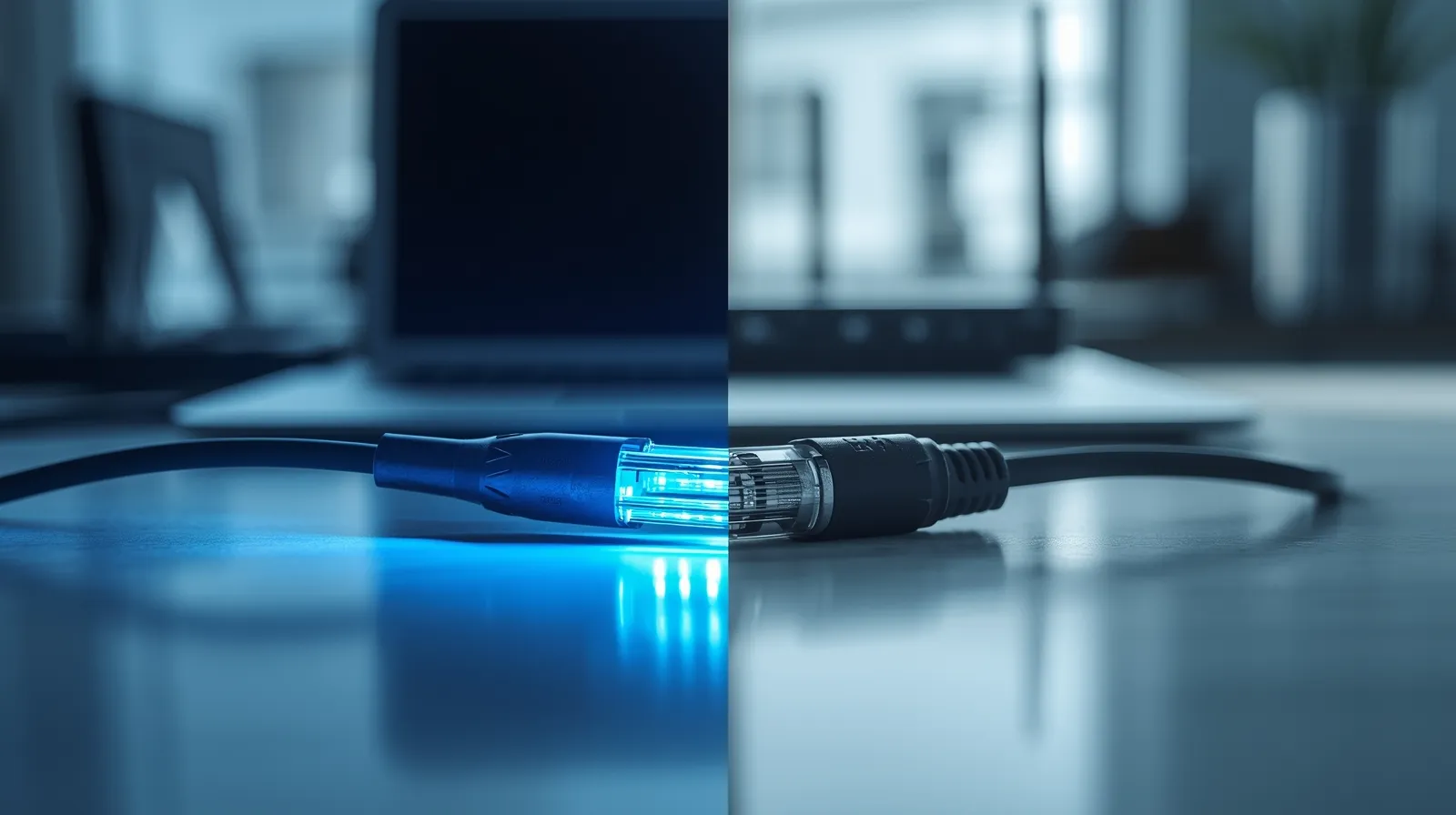
Fiber optic internet is better than cable because it delivers faster speeds, better stability, and more reliable performance for both homes and businesses. This makes the choice clear when comparing fiber optic internet vs cable in real world use.
Why Choosing the Right Internet Connection Matters Today
Internet has become a part of daily life. We use it for school, work, play, and communication. When it works well, everything feels smooth. When it slows down or disconnects, it affects the whole day. Many families depend on it for schoolwork, streaming, gaming, shopping, or talking to loved ones. Businesses depend on it for calls, meetings, and sending files.
This is why choosing the right type of internet matters so much. There are two main options for most homes: fiber and cable. The debate about fiber optic internet vs cable is common because both seem similar at first. But when you look closer, they work very differently and give different results. Understanding these differences can help you avoid headaches, slow speeds, and wasted money.
I have seen many homes switch from cable to fiber after years of slow connections or buffering problems. I have also met people who kept cable for simple needs because they did not want to upgrade yet. The goal of this article is to explain everything in a simple, friendly way so you can make the best choice for your home or business.
How Internet Performance Impacts Daily Life and Work in Dallas, TX
In a busy city like Dallas, TX, internet performance affects almost everyone. Many homes have multiple devices connected at the same time. Kids might be watching shows, teens might be gaming, adults might be working on laptops, and smart home gadgets might be running in the background. This creates a lot of demand on the network.
When the internet is slow or unstable, daily life becomes frustrating. Imagine trying to join an important work call but the video keeps freezing. Or imagine streaming a movie that keeps buffering every few minutes. These issues are common when the internet cannot keep up with your home’s usage.
Internet also affects safety and comfort. Many people use smart cameras, smart doorbells, smart thermostats, or security systems. These devices need stable connections. If the connection fails, the devices do not work well.
For work, many people rely on online tools and video meetings. A weak connection slows down tasks and causes stress. Many companies in Dallas expect employees to join remote calls or upload files. If your upload speed is slow, your work becomes harder.
This is why choosing between fiber and cable is not just about speed numbers. It is about comfort, productivity, and a smooth online life.
What Is Fiber Optic Internet and How It Delivers Data

Fiber optic internet sends data using light signals. The light travels through thin glass or plastic strands called fiber optic cables. These strands are very small, but they carry data with incredible speed and accuracy.
Because the signal is light, it does not weaken easily. It stays strong even over long distances. Light also travels faster than electricity, which gives fiber a natural advantage over cable technology.
Fiber is also designed for modern use. It can support many devices at once without slowing down. It can handle large downloads and uploads together. It can deliver smooth video calls, fast gaming, and clean streaming.
Another benefit is that fiber does not get affected by weather or electrical interference as much as cable lines do. This makes fiber more stable in storms or heavy weather. Many families choose fiber because they want a connection that stays strong even during busy hours.
Fiber internet is also future proof. It can support faster speeds without needing major upgrades. As technology grows, your fiber line will keep up.
How Cable Internet Works Behind the Scenes
Cable internet uses coaxial cables, which have a copper center. These cables were made for television signals originally, not for internet. Over time, companies upgraded them to carry internet data, but they still have limits.
Cable internet sends electrical signals instead of light. When many people in the same area use the internet, the lines get crowded. This causes slower speeds because the signal must be shared with the neighborhood.
Cable usually delivers good download speeds, but the upload speeds are much lower. That is a problem now because people upload more than ever. We upload photos, videos, homework files, work documents, and backups. We join video calls that need good upload speed to stay clear.
Another issue with cable is peak hour slowdowns. When everyone comes home in the evening and starts streaming, browsing, or gaming, cable connections may drop in speed. This causes lag and buffering.
Cable is still useful in many areas, but it is not as strong or modern as fiber.
Fiber Optic Internet vs Cable: Core Differences Explained
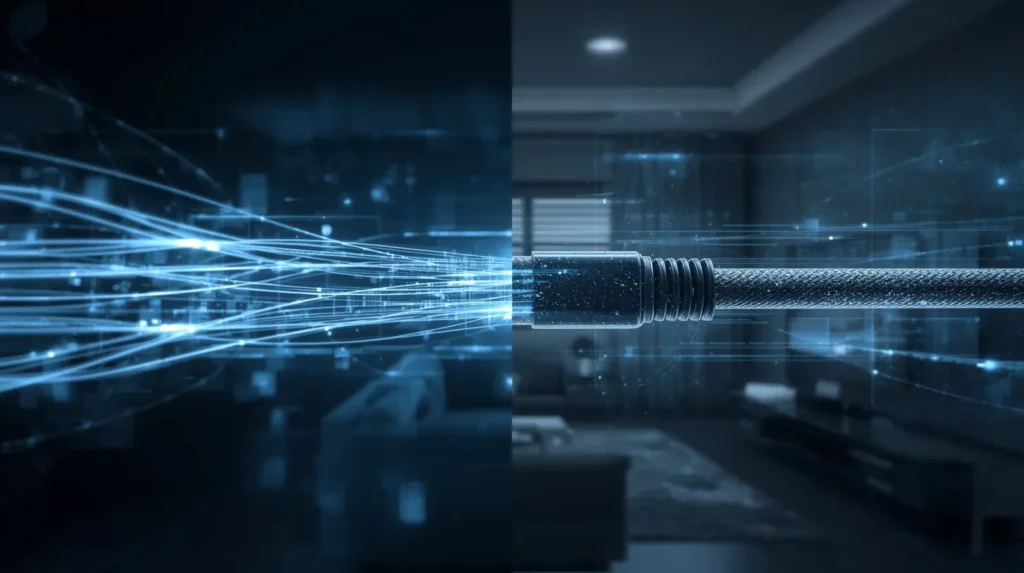
When comparing fiber optic internet vs cable directly, there are several important differences.
Fiber uses light. Cable uses electricity. Light is faster and cleaner. This gives fiber a natural speed advantage.
Fiber is not a shared network in the same way cable is. This means your speeds stay steady even during busy times. Cable speeds often drop in the evening when many households get online.
Fiber can handle high uploads and downloads at the same time. Cable struggles with uploading because its lines were not built for heavy upload work.
Fiber also has lower latency. Latency is the time it takes for a signal to travel to the server and back. Lower latency makes online games smoother, video calls clearer, and pages load faster.
Stability is another big difference. Fiber stays stable because it does not suffer from electrical interference. Cable can lose signal strength if many devices use it or when there is interference nearby.
Overall, fiber wins in speed, reliability, and future growth.
Fiber vs Cable Internet Speed and Reliability Comparison
Fiber is known for very high speeds. Many fiber plans offer speeds that stay strong all day. The upload and download speeds are often the same, which helps with tasks like uploading videos or joining work calls.
Cable can offer high download speeds too, but the upload speeds are usually low. This becomes a problem for students, remote workers, and anyone who shares large files.
Reliability is another reason people choose fiber. Because the signal is made of light, it does not weaken during peak hours. It does not get affected by distance or electrical noise. You get almost the same speed at night as you get in the morning.
Cable speeds can drop during busy times. When the network is crowded, everyone shares the same line, so the speed slows down. This is one of the biggest complaints among cable users.
For anyone who wants a strong, stable, and fast connection, fiber is more dependable.
Fiber Internet vs Cable for Streaming, Gaming, and Remote Work
Streaming needs strong and steady speed. Fiber handles streaming easily, even in 4K. There is no buffering, and videos load instantly. With cable, streaming is fine most of the time, but buffering can happen when many people use the network at once.
Gaming needs low latency. Fiber cuts down lag, so games respond faster. This makes gaming smoother and more enjoyable. Cable can work for gaming, but the slower upload and higher latency can cause lag spikes.
Remote work needs clear video calls, fast uploads, and smooth cloud connections. Fiber supports all of these. It keeps calls steady and file transfers quick. Cable might interrupt video calls or slow down uploads.
If your home has people who stream, game, or work from home, fiber is the better option.
Fiber Optic vs Cable Internet Installation Differences
Fiber installation often requires technicians to bring a new line to your home. They install a small box known as an ONT that converts the light signal to internet for your devices. The process is clean and simple. Most homes only need a small hole drilled to bring in the fiber line.
Cable installation is usually quicker because many homes already have coax cables in place. The technician can use the existing wiring to set up your connection.
While cable installation is simple, the technology behind it is older. Fiber installation is slightly more involved, but it is worth it because the connection is stronger and more future friendly.
Cost Breakdown: Fiber Internet vs Cable Internet Over Time
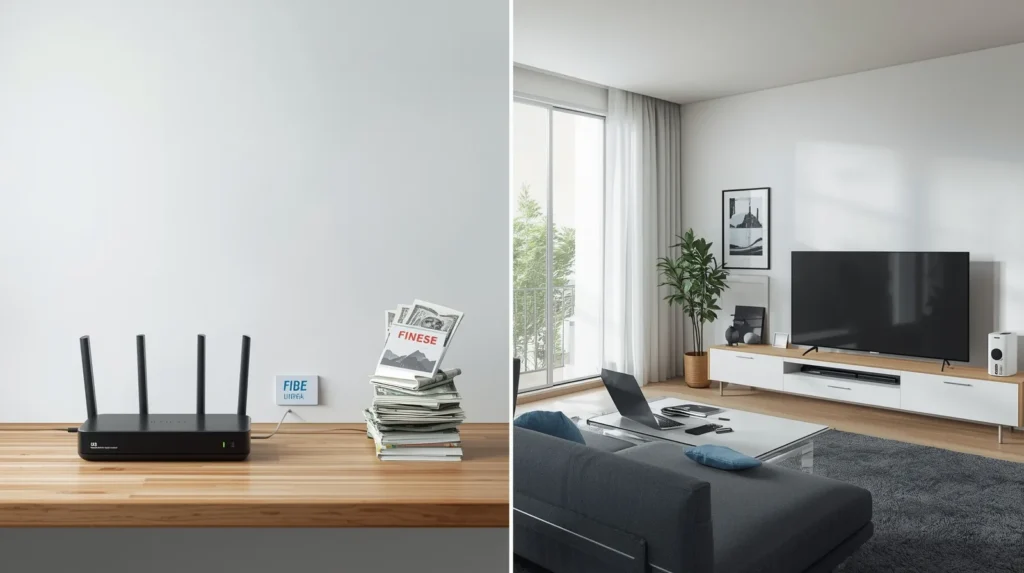
Cable internet sometimes looks cheaper at first because of promotional prices. But these prices often increase after a few months. Many cable providers raise rates after the first year, which surprises many customers.
Fiber internet may cost a little more upfront, but the prices are usually more stable. Many fiber companies keep their pricing simple, and you get better performance for your money.
Fiber also prevents many problems like slowdowns or outages. This saves time and reduces stress. Over time, the smooth experience of fiber often feels worth every dollar.
For households with many devices or for anyone who works from home, fiber provides better value in the long run.
When Cable Internet Makes Sense and When Fiber Is the Better Choice
Cable internet works for people who only use the internet lightly. If you watch shows, browse the web, or use social media, cable may be enough. It is also a good choice if fiber is not available in your neighborhood yet.
Fiber is the better choice for heavy use. If your home has gamers, students, remote workers, or many devices, fiber will handle it without slowing down. If you want a connection that lasts for years without needing an upgrade, fiber is the best option.
Cable is good for simple needs. Fiber is good for modern needs.
Final Thoughts: Choosing the Right Network Solution with Heritage Cabling
Choosing between fiber and cable becomes much easier when you understand how each one works. Fiber offers better speed, stability, and long term reliability. Cable can still work for simple needs, but fiber gives you a smoother and stronger connection. If you want an internet setup that will grow with your home or business, fiber is the smarter choice. Heritage Cabling can help you understand your options and guide you toward a setup that fits your needs.
If you are ready for a faster and more stable connection, reach out today. Heritage Cabling is here to help you choose the right internet solution and make your online experience smooth and stress free.